
Learn Russian by reading
Tsukigo is a free app for learning Russian by reading. You read short stories at your level, hear them read aloud, and tap any word you don't know.
What you read
Around nine hundred Russian stories: conversations between two people, everyday scenes, culture and ideas, jokes, and classic works — Krylov's fables, Pushkin's tales, short stories by Tolstoy, poems by Yesenin, and Russian folk tales.
Every story is recorded, and the text lights up word by word as the audio plays. Here is one of them, in full.
Leo Tolstoy
Лев Николаевич Толстой
Tap a word for its meaning.
Tap a word for its meaning.
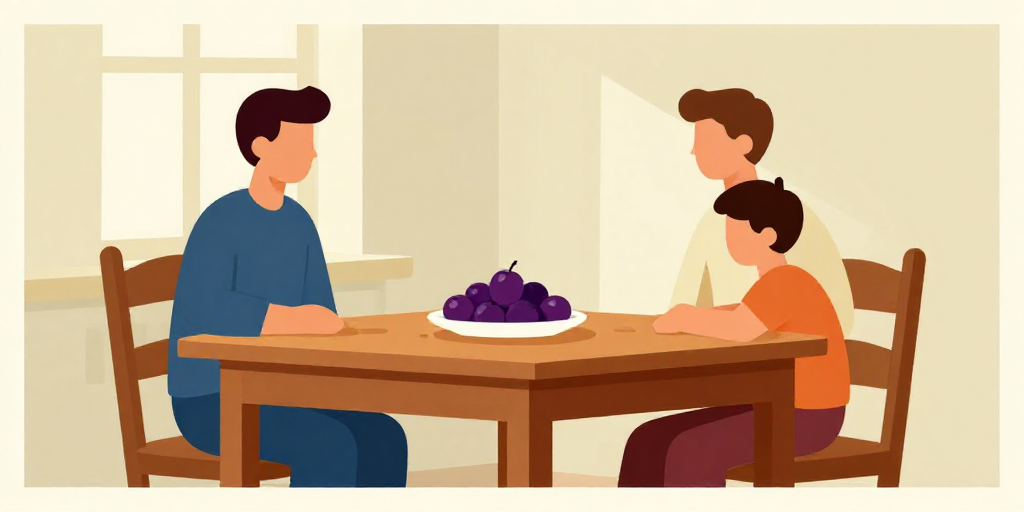
Косточка
Купила мать слив и хотела их дать детям после обеда. Они лежали на тарелке. Ваня никогда не ел слив и все нюхал их. И очень они ему нравились. Очень хотелось съесть. Он все ходил мимо слив. Когда никого не было в горнице, он не удержался, схватил одну сливу и съел. Перед обедом мать сочла сливы и видит, одной нет. Она сказала отцу.
За обедом отец и говорит: «А что, дети, не съел ли кто-нибудь одну сливу?» Все сказали: «Нет». Ваня покраснел как рак, и сказал тоже: «Нет, я не ел».
Тогда отец сказал: «Что съел кто-нибудь из вас, это нехорошо; но не в том беда. Беда в том, что в сливах есть косточки, и если кто не умеет их есть и проглотит косточку, то через день умрет. Я этого боюсь».
Ваня побледнел и сказал: «Нет, я косточку бросил за окошко».
И все засмеялись, а Ваня заплакал.
The meanings under the words show only where you need them: Tsukigo leaves them off words you already know and keeps them on the ones you're still learning. You can show them on every word instead, or turn them off.
You don't have to choose a level. After a few stories, Tsukigo knows which words you've met, and the stories it suggests next are built mostly from those.
Practicing words
You can save any word you tap, and saved words get their own list under Vocabulary. To go over them outside the stories, practice takes you through them one at a time.
If you are new to Russian
The starter course assumes nothing at all. It begins with the alphabet, then teaches basic vocabulary through purpose-built exercises.
хлеб
кот
читать
бежать
три
под столом
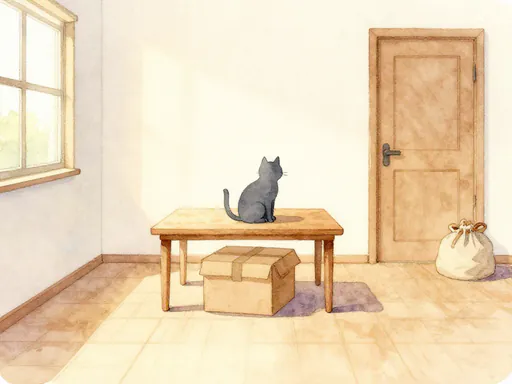
Где кот?
Кот на столе.
Where is the cat? The cat is on the table.
After that come scenes, then short stories you can read with what the course has taught you.
If the alphabet is the only thing in your way, start there and skip the rest.
Going further
We are still adding to the catalog, and the hardest material is the thinnest part of it. Books written for Russians, the news, films and television, and conversations with actual people will take you further than anything we could grade for you. If there is something you want to read and cannot find, tell us.