
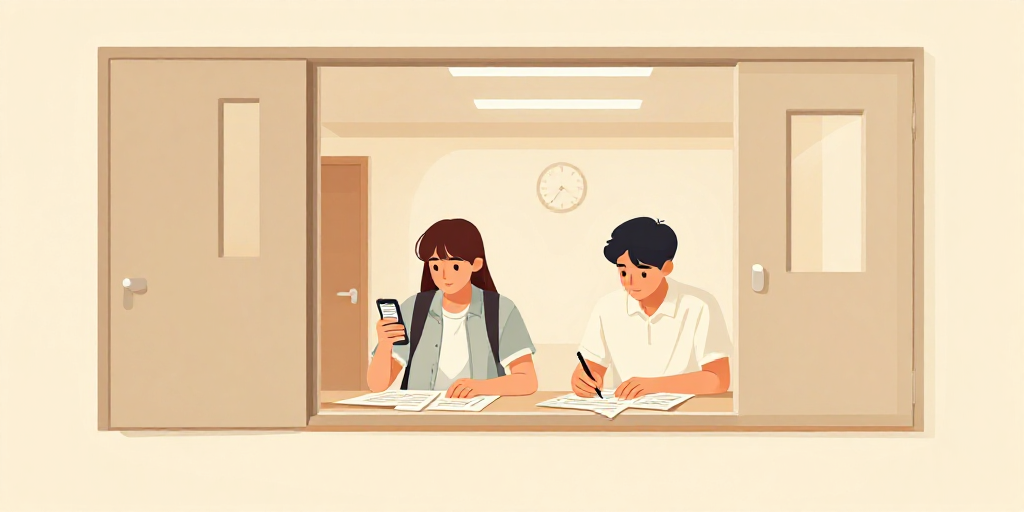
Three Maybes
The line Karim liked best was on the fourth card: ‘Studies show that eighty percent of teenagers can't tell an advert from a news story.'
“Where's that from?” Elif asked.
“An article. In the Guardian, I think. Or somewhere like that.”
She found the article on her phone and read it twice. It said that a media researcher at an American university had told a conference that the figure might be as high as eighty percent. It did not say studies. It said one researcher, one conference, one guess.
“Fine, so we quote the researcher,” Karim said.
“We can't quote him. He didn't say eighty percent. He said it could be eighty percent.”
“That's the same thing.”
“It really isn't.” Elif turned the phone round so that he could see the paragraph. “‘Studies show' means somebody counted. ‘It might be as high as' means somebody predicted.”
Karim took the card back and read it again.
They had eleven minutes before the room opened.
“Nobody's going to check,” he said.
“Somebody checked at the regional final last year. That team from Bristol. The judge asked them one question. Where's that number from? They stood there for about thirty seconds.”
“And they lost on that?”
“They lost on the thirty seconds.”
Karim wrote a new version on the back of the card, saying it out loud as he went. “One researcher has suggested that the figure could be as high as eighty percent.”
“Better.”
“It's weaker. It's got three maybes in it. ‘One'. ‘Suggested'. ‘Could'.”
“It's got three true things in it,” Elif said.
She held out her hand for the card.
“And if a judge requests the source, you've got one.”
Karim looked at his old line for a moment longer.
Then he handed the card over.