
The Thin Line
I had never been inside a courtroom before, so I sat very still in the public gallery.
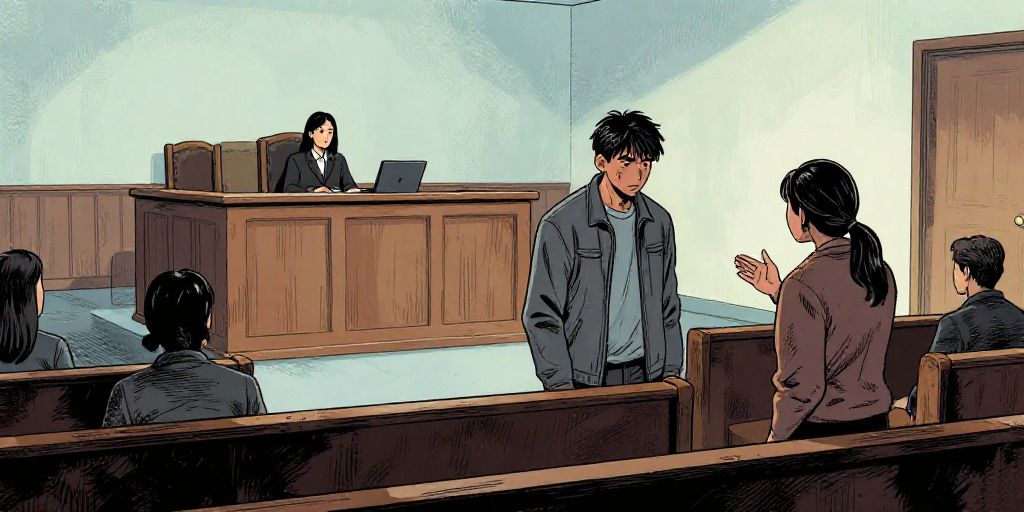
Down below, the accused was a young man in a grey jacket. He did not look like a criminal. He looked tired, and a little frightened. The case was small — he had taken a phone from a shop — but everyone in the room was serious.
The judge asked the first question. A woman stood up. She was the victim, the shop owner. She said that she had been watching the man for ten minutes before he took the phone. While she was calling the police, he was already running for the door.
“He told me he had no money,” she said. “But that is not a reason to steal.”
The accused did not speak much. His lawyer said that he was sorry, and that he would pay the shop back. He said the young man was not really a bad person, only desperate.
I watched the judge's face. She was listening to everything, weighing the evidence, saying nothing. I realised then how hard her job was. The law had to punish the crime. But the man in the grey jacket was not a monster.
When the judge finally spoke, she gave him a fine and a warning, not prison. “You are not innocent,” she said quietly. “But you are young. Don't come back here.”
The young man nodded and wiped his eyes. I left the gallery thinking about how thin the line is between a mistake and a crime.