
The Tenants' Board (Part 3)
The board's first letter was one page long and had sixteen signatures under it. Aiko sent it the expensive way, the kind where somebody has to sign for it, and wrote the tracking number on the noticeboard so everybody could watch it arrive.
The landlord called Renata four days later. He wanted a conference, he said, to clear up the misunderstanding.
He came on Saturday in a good wool coat, shook eleven hands, and used the word “family” twice about the building. Nina, standing by the mailboxes with her arms folded, counted the second one out loud.
Then he made his offer. The boiler was old, he said. Parts, suppliers, nobody works in January, these things take time. In the meantime he would put an electric heater in every apartment, on loan, delivered by Wednesday, and he'd take forty dollars off the February rent for anyone who signed a short form.
For about a minute it sounded like winning. Forty dollars was real. A heater on Wednesday was real, and it was eleven degrees outside.
Aiko asked to see the form.
It was four lines long. The first line said the resident accepted the heater as a full solution to the heating problem. The second said the resident agreed not to raise the matter again during this heating season. The third made the forty dollars a one-time credit. The fourth said the heaters remained his property and could be collected at any time.
“So we sign this,” Aiko said, “and in March, when the boiler is still broken, we've agreed in writing that everything is fine.”
The landlord smiled and said that wasn't the intention at all.
Renata heard herself ask for two days.
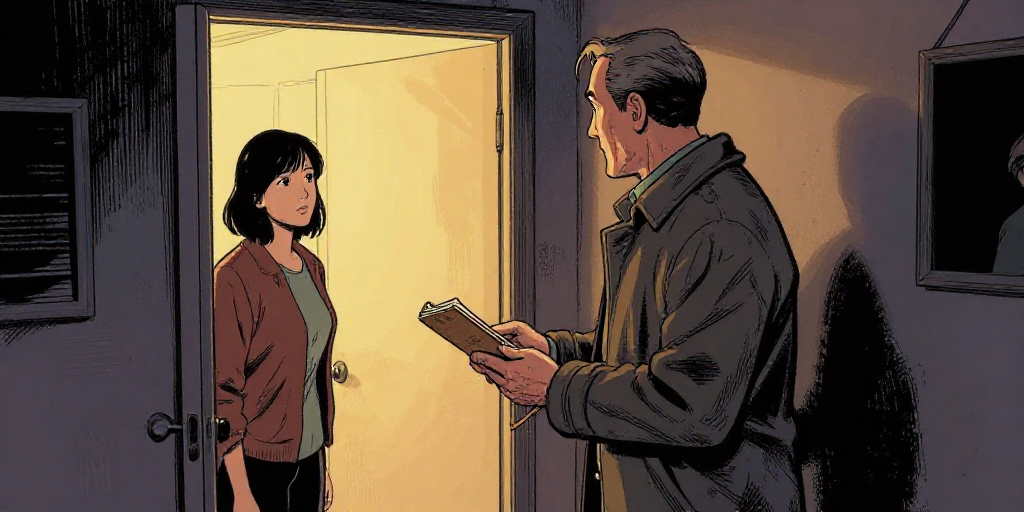
That night, at half past ten, somebody knocked. Dov was standing in the hallway in his coat, holding a notebook with a rubber band around it.
“Twice a day,” he said. “Kitchen table, same spot, morning and night, every year since I moved in.” He held it out to her. “The accountant wanted numbers. These are numbers.”