
Something Else, Please
For most of the last century, alcohol was simply part of normal life in many countries. It was served at weddings, at funerals, at business lunches. An advertisement for beer or wine was nothing unusual. But attitudes have been changing, and the change has been faster than most people expected.
In several countries, alcohol advertising has already been banned from television before nine in the evening. Health campaigns have been running for years, and they are starting to work. Young people, in particular, are drinking less than their parents did at the same age. Surveys suggest that approximately one in four people under twenty-five now drinks no alcohol at all.
Why is this happening? Part of the answer is health. The connection between alcohol and serious illness has been studied carefully, and the results have been widely reported. Part of it is money: drinking is expensive, and many young people simply cannot afford it. And part of it is social. For a long time, not drinking was seen as strange, even rude. That attitude has been quietly disappearing.
Not everyone is pleased. The drinks industry argues that a total ban on advertising would be unfair and would cost thousands of jobs. Some people say that adults should be allowed to make their own choices without being told what to do by a campaign.
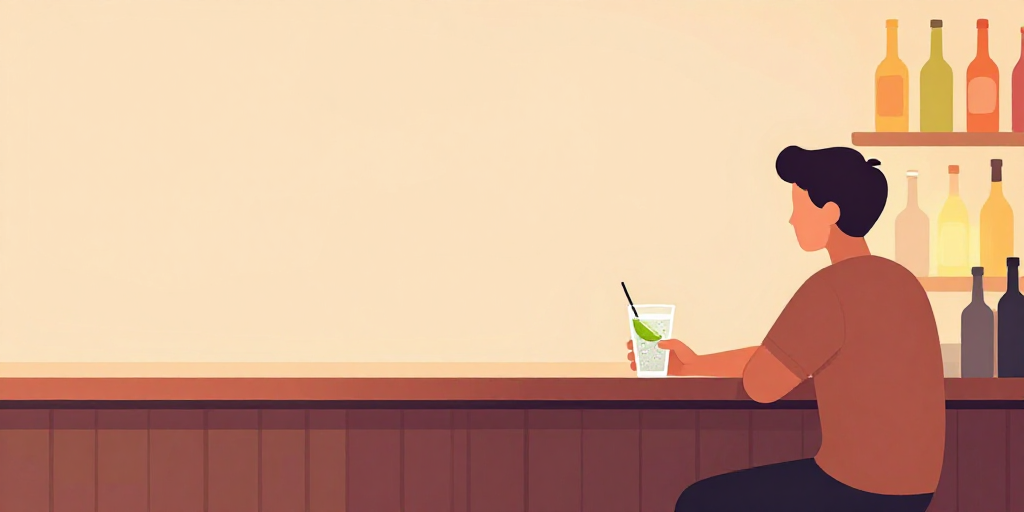
But the direction seems clear. Slowly, alcohol is being treated less like an ordinary drink and more like cigarettes were thirty years ago. Whether that is good or bad, one thing is true: the change has already begun, and it is being driven not by governments, but by ordinary people deciding, quietly, to order something else.