
Three Weeks to the Vote
The race for the town council seat has narrowed to two candidates, and with three weeks left, neither side is willing to slow down.
Maria Okafor, who has lived in the town for twenty years, says her campaign is about repairs. At a meeting on Tuesday, she said she had knocked on more than four hundred doors since spring. “People keep telling me the same thing,” she said. “The roads are broken, the buses are late, and nobody answers the phone at the council office.” She has promised that, if elected, she will fix the bus timetable within her first six months.
Her opponent, Daniel Reyes, has run a very different kind of campaign. He has focused on money. He claims that the current council has spent too much on new offices and not enough on schools. “I have read every line of the budget,” he said at his own meeting on Wednesday. “The numbers tell a story, and it is not a happy one.” He has not made many specific promises, but he says voters can trust him to ask hard questions.
The two candidates have already clashed once in public. At a debate last week, Okafor said Reyes had no real plan, only complaints. Reyes replied that a plan you cannot pay for is just a wish. Neither side reached any agreement, and the room was loud by the end.
So far, the campaign has produced more noise than clear answers. Communication between the two camps has broken down completely; they no longer share a stage if they can avoid it. Each side has accused the other of avoiding the real challenge facing the town, which is a slow loss of young families to bigger cities nearby.
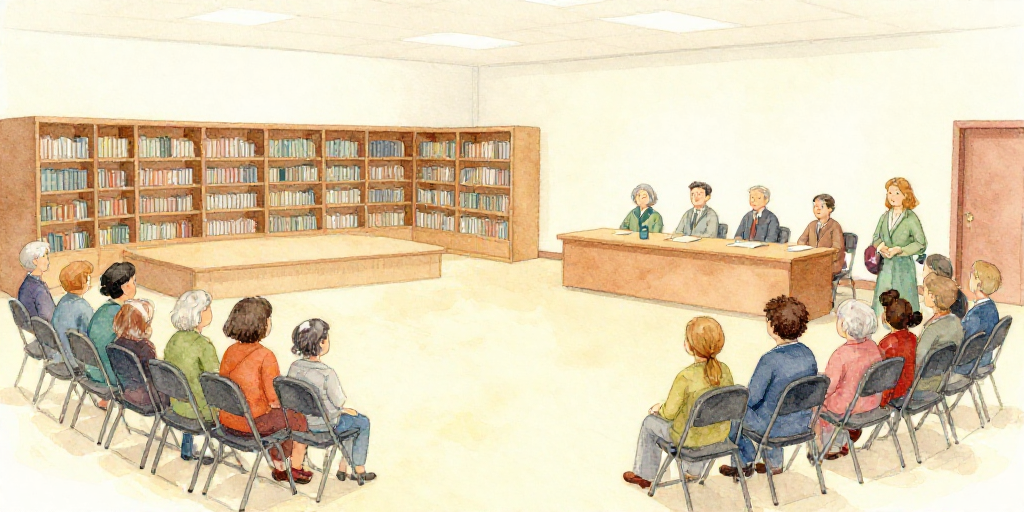
What has changed since the campaign began? Turnout at the meetings has grown. The first events drew a dozen people; the most recent ones have filled the back room of the library. Whether that interest will reach the voting booth is another question. In the last council election, fewer than one in three residents voted.
Both candidates seem to understand the stakes. “This is not about me,” Okafor said as she packed up her papers on Tuesday. “It is about whether this town still believes it can fix anything.” Reyes, leaving his own meeting, put it more plainly. “People have stopped expecting much,” he said. “My job is to remind them they are allowed to expect more.”
The vote is on the twenty-eighth. Until then, the doors will keep getting knocked, the budgets will keep getting quoted, and the town will keep listening — or, as one tired resident said on her way out of the library, “We’ll see who’s still talking when the rain comes back.”