
What to Plant (Part 4)
The answer, it turned out, was about a third of it.
The deal took six weeks and three more meetings, and what came out at the end was this: the developer would build fourteen apartments on the strip along the road, where the depot office had once stood, and the rest of the site would go to the volunteers on a twenty-five-year lease at one pound a year. The council called it a compromise. The property man called it a good outcome for all parties. Declan called it the plum trees.
Because the strip along the road was where the plum trees were. And the bench.
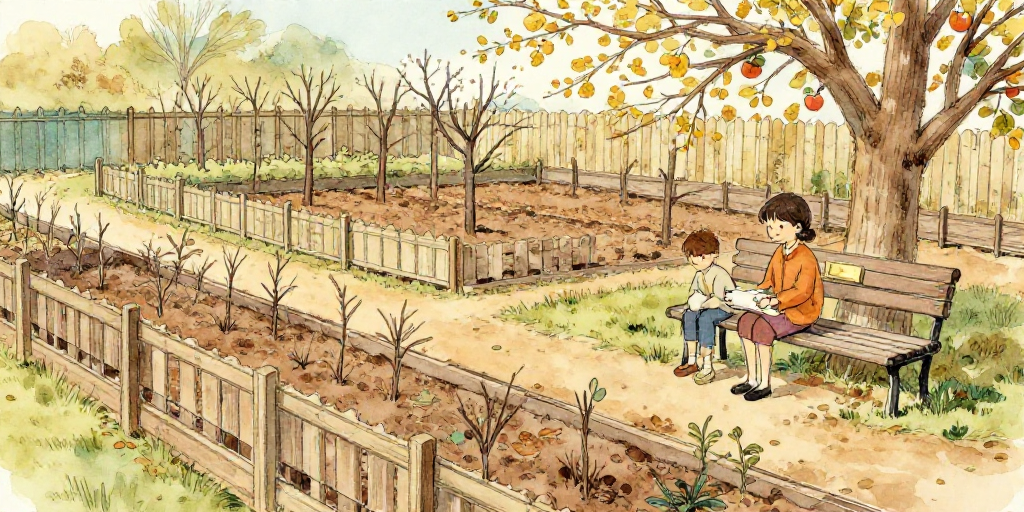
They moved the bench in October, six of them, walking it across the site in stages and resting between the beds. It went in under the apple tree with the cooking fruit, facing back the way it had come. The brass plate needed cleaning after the move, and Zara did it with a cloth and warm water while the others argued about whether the new fence should be wood or wire.
The plum trees couldn't be moved. They were forty years old. On the last Saturday before the machines came, the teacher's class picked everything on them, and the two sisters made eleven jars of jam and, for once, gave it all away.
In November the volunteers met in Declan's kitchen again to discuss next season. There was a list. Beans where the garlic had been, garlic where the potatoes had been, a second bed of onions because one bed was never enough.
“And that space by the new fence,” the bus driver said. “Twelve meters of it. What goes in there?”
Everybody looked at the plan. Zara thought about it for a while.
“Plum trees,” she said.
“They won't fruit for years.”
“No,” she said. “They won't.”
She wrote it on the list anyway and passed the list on, and somebody put the kettle on, and the meeting went back to slugs.