
The Fountain in the Middle
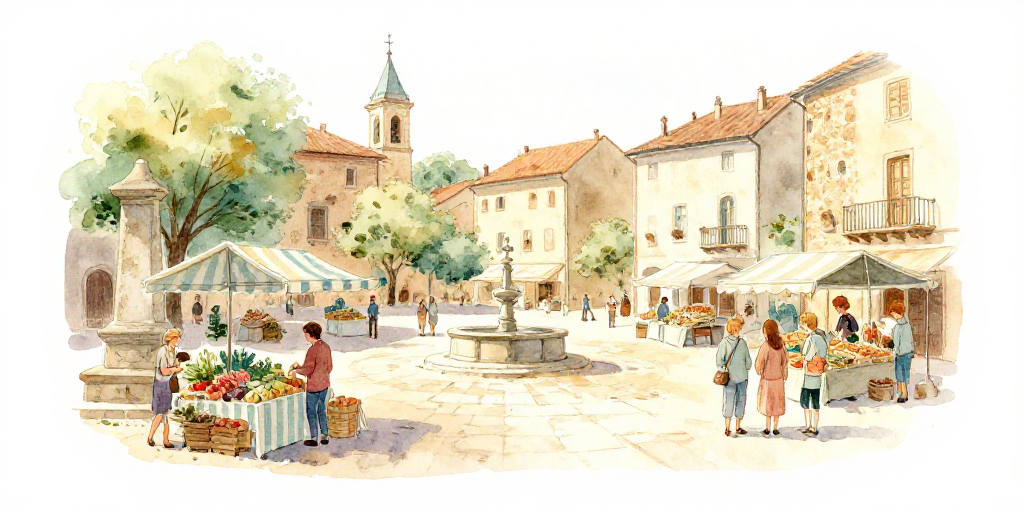
In the middle of most old European towns there is a fountain, and it is usually older than everything standing around it. It was not put there to be looked at. It was put there because the town needed water, and the place where people came for water became the place where the town met.
Everything else grew outward from that. The market was held where the crowds already were, because there was no point carrying vegetables somewhere quiet. The streets bend toward the fountain rather than past it. If there is a river, the oldest bridge points at the square, not at the shops. A town centre is not a design; it is the shape left behind by a few hundred years of people walking to fetch water.
The monument came later, and usually with less thought. A general on a horse, a poet with a book, someone a particular generation wanted remembered. Today children sit on its steps with ice cream and nobody reads the name on the front, which is a kinder use than its builders imagined.
Then the shops moved out to the edge of town, where there was room to park. The baker and the shoe shop became a phone shop and two banks. The fountain is switched off from November, and from Monday to Friday half the square is a car park with white lines painted over the old stones.
But on market day — Saturday in most towns, Wednesday in some — the tables go up around the fountain before six in the morning, and by ten the square is too crowded to cross in a straight line. You come out for tomatoes and lose twenty minutes to three conversations you did not plan. Nobody arranged that. It is simply still the middle.
A town square is not a monument, whatever is standing in it. It is the one place a town cannot cross quickly — and being slow to cross was always the point.